Hoops Kansai Kansai — editorial desk, Tokyo
Grassroots Basketball in Japan and Britain
This is a reading site about amateur basketball and regional sport, mostly Japan with a steady look at how England runs the same game. We follow school clubs, city leagues, county associations and the fixture calendars that keep them moving. No ticket links, no shop, nothing to buy — just reporting on who plays where and why the structures look the way they do.
Structures decide the calendar. Knowing which ladder a result belongs to is most of the work.
A school competition clusters around term dates. A regional league runs its own season on evenings and weekends. A county association publishes the notices that keep both from colliding. We read all three so you can place any score, any postponement and any promotion in the right frame — and so a grassroots sports review here says something you can check, not just something you can feel.
What this blog actually covers
We write about amateur basketball JP readers can follow week to week: elementary school clubs building dribbling and passing habits, regional club sides, and the adult leagues that sit under the professional pyramid. Alongside that we run comparative pieces on British regional basketball, because England's local league network is one of the clearest examples of how grassroots competition gets organized. If you want fixture context rather than highlight reels, you're in the right place.
Articles are dated, sourced where possible, and corrected in the open. Coverage is steady rather than fast — we would rather get a division right next week than guess at it today.
-
Amateur league reviews
Season-by-season reading of divisions we can actually follow — how fixtures hold up, where results get posted, and what a league's own notices say about the year it is having.
-
Regional sports leagues
City and county competition across Japan, plus the association layer that registers clubs, schedules rounds and handles promotion and relegation when the table finally settles.
-
School basketball training
What actually happens in club sessions inside the academic calendar: ball handling, passing, footwork and shooting form, and how those habits travel into later competition.
-
Local sports history
How today's league shapes were built — by associations, schools and volunteers over decades — and why Japan leans on its schools while Britain leans on its clubs.
Japan's school club layer
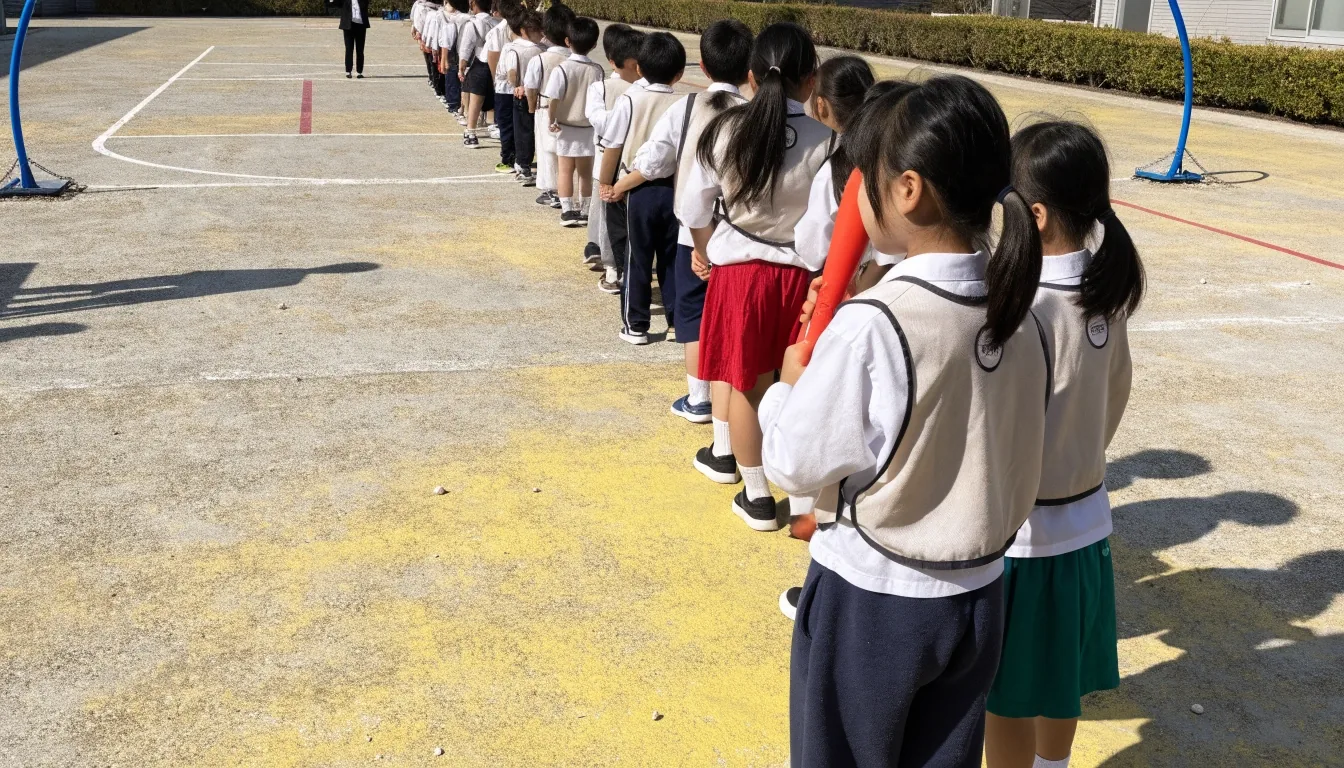
Many Japanese schools run basketball clubs from elementary level, and those sessions lean hard on fundamentals: ball handling, passing, footwork, shooting form. That's the first rung of the training pathway for most players. Shibuya Education Academy in Tokyo, for instance, was named as the site of the first NBA Basketball School Japan, which shows how an ordinary educational setting can host structured youth instruction.
The point isn't the brand attached to it. It's that schools in Japan double as training venues in a way that shapes the whole development system — the gym is the club, the timetable is the season, and the teacher who runs the session is often the person who decides who plays.
Where it starts
Elementary club sessions, usually before or after the school day, with a heavy emphasis on repetition rather than results.
What gets drilled
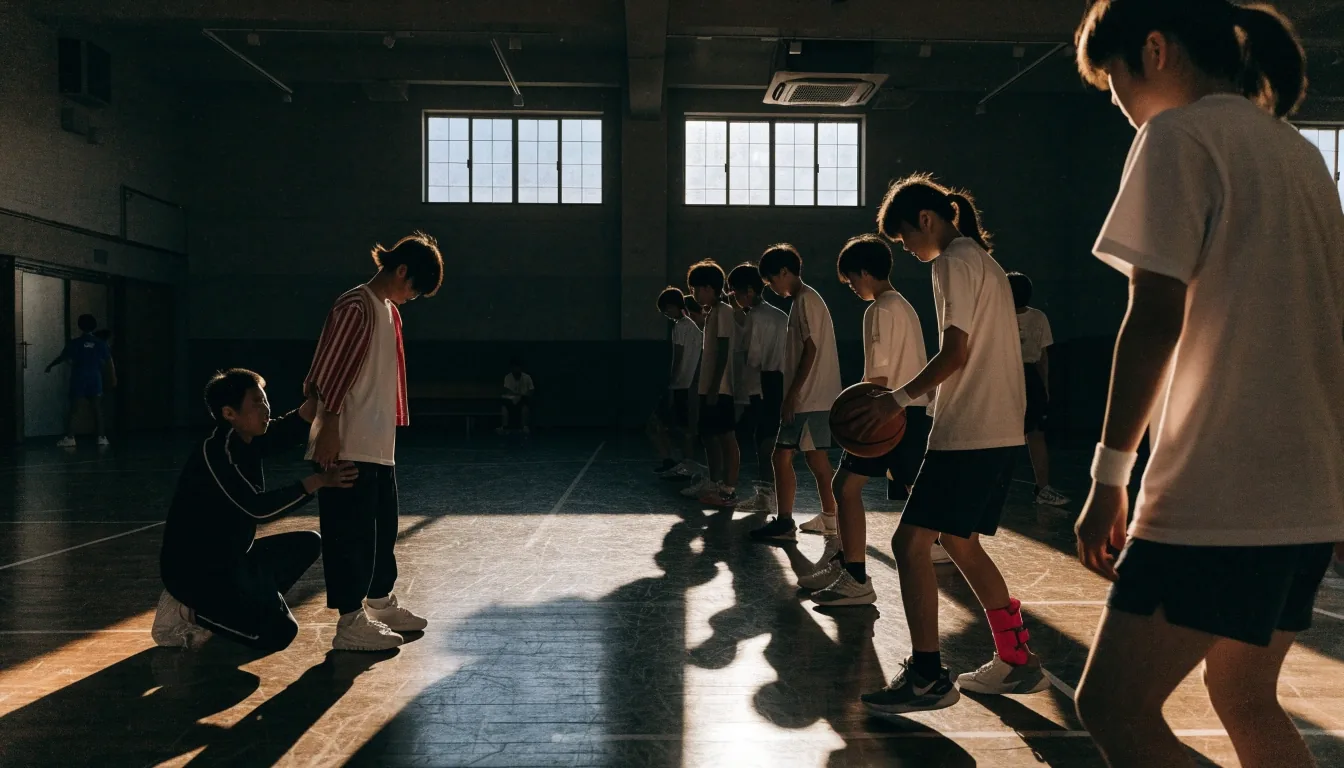
Two-hand passing, weak-hand dribbling and defensive stance come before anything resembling a set offence. Coaches correct form constantly.
Where it leads
Middle school and high school teams, then regional club sides for the players who keep going once the school calendar runs out.
How a school club differs from a regional club
Inside the academic calendar
The school club
- Administered by the school and tied to term dates, so the season bends around exams and holidays.
- Sessions usually run on school premises, often led by a teacher or an appointed club coach.
- Draws players from one school's intake, which keeps squads tight and familiar.
Outside it, evenings and weekends
The regional club
- Draws players from several schools and runs its own season, independent of any single timetable.
- Trains in hired gym slots, which is why amateur fixtures move when a hall booking falls through.
- Feeds the same youth development pool, and plenty of players run both in the same year.
The split matters when you're trying to read a fixture list: school competitions cluster around term dates, regional leagues run their own season. Knowing which ladder a result belongs to stops a lot of confusion — especially in spring and summer, when the two calendars overlap and the same weekend can carry both a school round and a league round.
The British comparison: leagues below the top tier
England stacks its amateur basketball in layers. The National Basketball League sits below the professional tier and splits into regional divisions, acting as the bridge between community clubs and higher competition. Under that you find city and county competition. A league like the London Amateur Basketball League represents the urban grassroots layer, while the Manchester Area Basketball League shows the same model in a different metropolitan area.
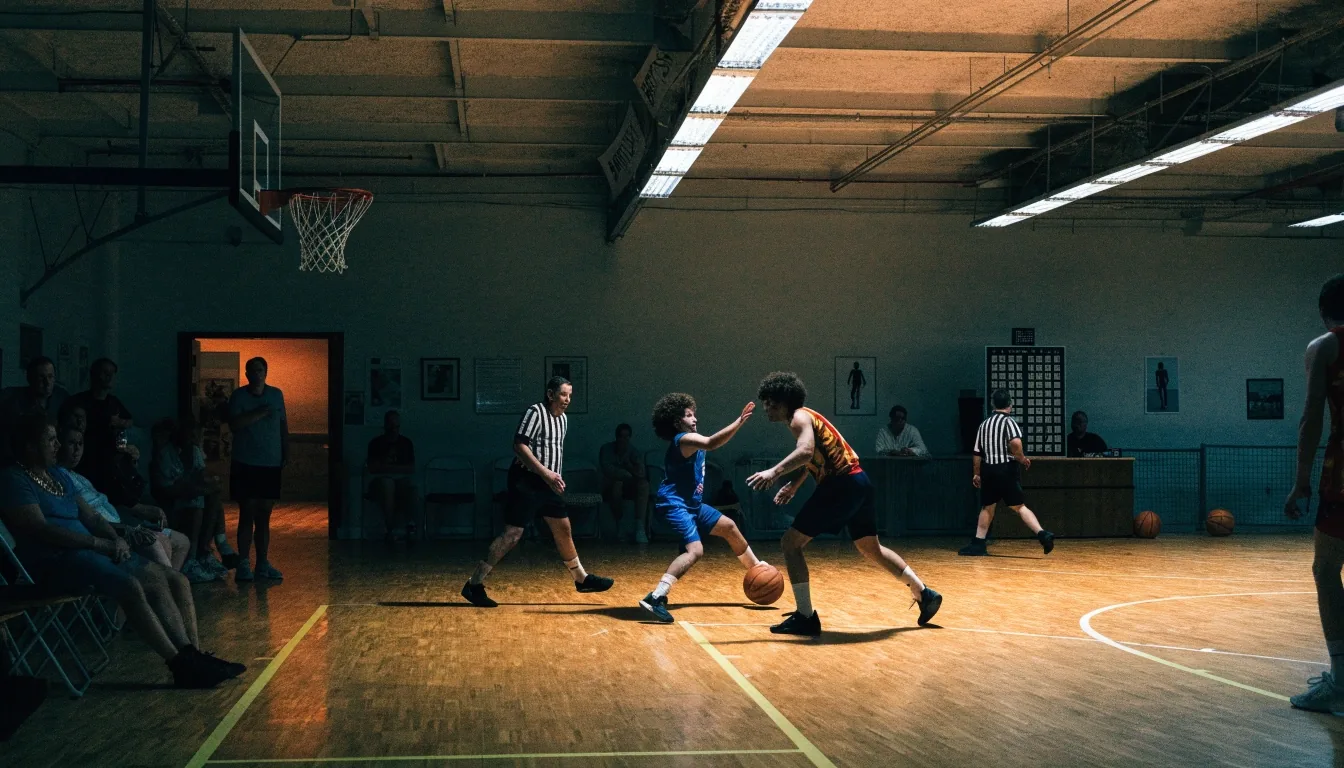
Neither is glamorous. Both are where most adults actually play — in hired sports halls, on weekday evenings, with a scoreboard someone has to set up.
-
Top of stack
Professional tier
Not our subject, but the reference point every pathway eventually points at.
-
Bridge
National Basketball League
Split into regional divisions, connecting community clubs upward and giving ambitious sides somewhere to go.
-
Urban layer
City leagues
The London Amateur Basketball League is a clear example: adult, local, and organised around available court time.
-
County layer
Metropolitan and county leagues
The Manchester Area Basketball League runs the same model in a different city, under the same association structure.
The unglamorous layer
Why county associations matter
Regional governance is the machinery that keeps amateur sport running: fixtures, registration, discipline, promotion and relegation. Warwickshire Basketball Association is one example of a county-level body listed in Basketball England's local leagues and associations directory, connecting clubs to each other and to the wider system.
Without that layer, local leagues drift and calendars collide. We treat association notices as primary material when we're writing fixture notes, because they're usually more accurate than word of mouth — and when a date moves, the association is normally the first place it appears.
Read the league reviewsNewer leagues and how they settle in
Not every league is old. We Got Next Basketball League sits in England's grassroots ecosystem as a community-competition model players follow through its schedule. Newer leagues have to prove they can hold a calendar together across a season, which is harder than it sounds.
-
Do games get played on the dates posted
A league that reschedules constantly is still finding its footing. A league that plays what it published has solved its biggest problem.
-
Do divisions stay balanced
Blowouts every week usually mean the division was drawn too wide. Even competition is a sign the organisers know their clubs.
-
Do clubs come back for a second season
Retention tells you more than any launch announcement. If the same names appear on next season's list, the competition is working.
We cover them by watching how their fixture lists behave rather than by repeating what a launch said. That's a better quality signal, and it is the same test we apply to long-established divisions.
What the top tier means for the pathway
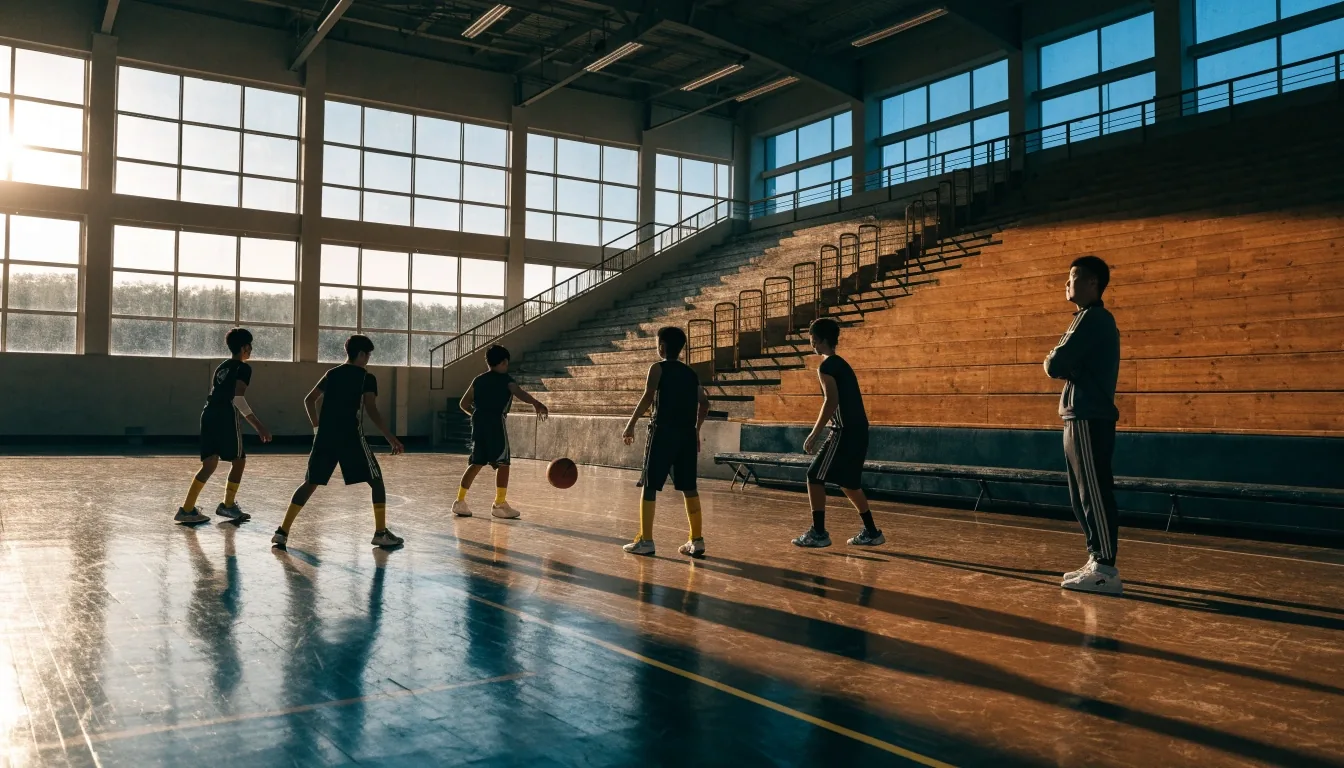
Japan's B.League runs three divisions, and the B1 League is the top one, reported at 24 teams in 2024. It's useful as a reference point rather than a subject: it marks where the school and club systems eventually point.
Most players never get near it, and that's fine, because the amateur game is worth covering on its own terms. Still, when we explain youth development, knowing what sits at the top of the ladder keeps the picture honest — it is the difference between a pathway and a hobby, and it tells you why a regional division's promotion rules matter to a fifteen-year-old.
- Divisions
- Three, from B1 down
- Top division
- B1 League, reported at 24 teams in 2024
- Who it applies to
- A small share of players — context, not a promise
Reading a regional fixture list
A fixture list is a small document with a lot in it: venue, tip time, division, sometimes a rescheduled date. We summarise upcoming and recent regional fixtures so you can see the shape of a month rather than a single game.
Community sports fixtures change often, especially at amateur level where gym access and referee availability drive the calendar. Treat our notes as a guide and the league's own posting as final.
See this month's fixtures-
Check the venue first
Amateur fixtures move between school gyms, community halls and municipal sports centres. The venue tells you how far the club is travelling and how strict the start time will be.
-
Then the tip time
Evening slots usually mean adult league rounds, weekend mornings usually mean youth or school competition. The hour is often the quickest clue to which layer you're reading.
-
Find the division
The division tells you whether a result counts toward promotion, a cup run or nothing at all beyond pride. It also tells you which table to check afterwards.
-
Watch for rescheduled dates
A second date beside the original means something moved. That is normal, and it is usually a hall booking rather than anything dramatic.
Read that way, a schedule stops being a list of games and starts telling you how a region organises its winter.
School and street basketball culture
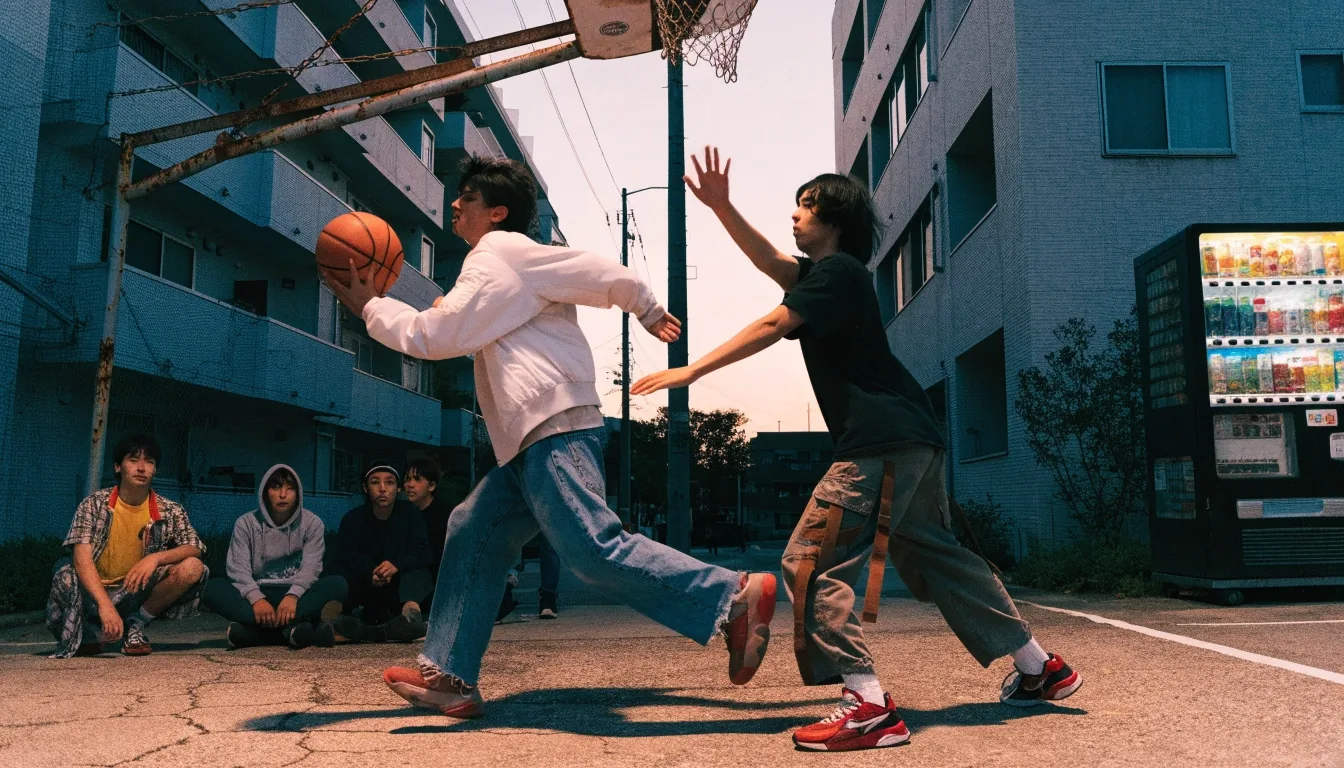
School basketball training in Japan is orderly and repetitive by design. Street basketball is the opposite: self-organized, informal, and often where players test skills they learned in a club session. The two feed each other more than people assume.
We cover both because a development pathway that only describes formal training misses where a lot of players actually spend their evenings — on outdoor courts with chain nets, no clock, and a rule that the losing side sits.
School and street basketball featuresLocal sports history as context
Today's regional leagues didn't appear from nothing. They were built by associations, schools and volunteers over decades, and the current structures carry those decisions in their bones. A county boundary drawn forty years ago still decides which clubs play each other this season.
Our history pieces trace how amateur and community basketball developed in Japan and Britain so that present-day league shapes make more sense. It's background, but it's the kind that explains why one country leans on schools and another leans on clubs — and why the same age group can be organised two completely different ways depending on which side of the world you are standing.
Grassroots sports history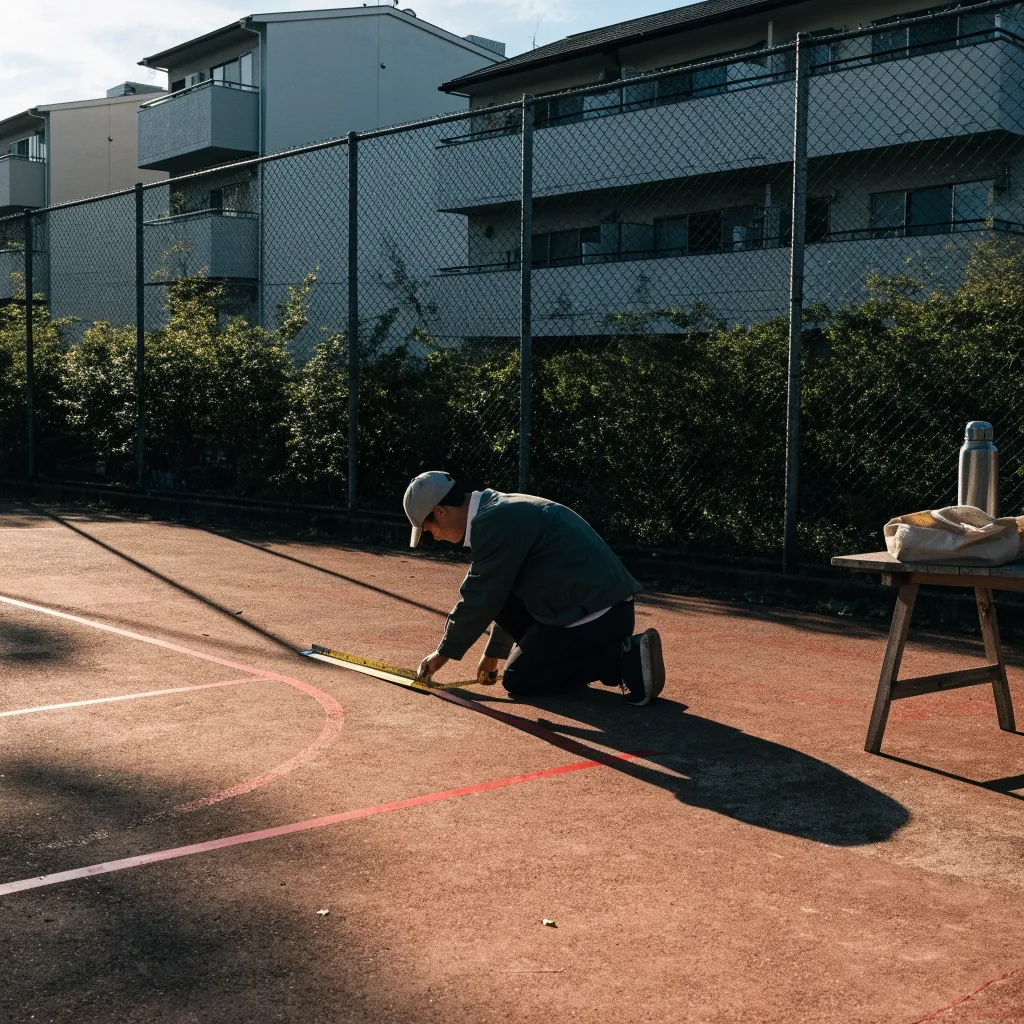
How we handle corrections
If a fixture date is wrong or a league detail is out of date, we want to hear it. Readers send tips through the contact page, and we check them against the association or league source before editing. We mark substantive corrections rather than quietly rewriting. That habit is the main reason this site is worth reading, since amateur sport coverage falls apart when nobody bothers to fix the small errors.
What we don't do
No merchandise, no match tickets, no paid memberships, no sponsored placements dressed up as articles. If a piece mentions a league or a school, it's because it's relevant to the reporting, not because anyone asked us to. That boundary keeps the editorial side clean and means you can read a league review without wondering what's being sold.
It also decides what we publish. Coverage follows what we can verify — a fixture list, an association notice, a club's own schedule — rather than what would travel well on a short clip. If that makes the site quieter than most sports writing, that's the trade we chose.
Editorial StandardsQuestions readers keep asking
Short answers to the things that come up most often in emails to the desk.
Which local leagues are active in my region right now?
We can't track every region continuously, but our fixtures page summarises the leagues we're currently following, including county association competitions and city-level amateur leagues. For a definitive answer, the regional association's own posting is the source to check.
How do grassroots leagues in England fit below the National Basketball League?
The National Basketball League sits below the professional tier and is structured into regional divisions. Local leagues like the London Amateur Basketball League or the Manchester Area Basketball League operate under that, at the community level where most amateur players compete.
What's the difference between school clubs and regional clubs in Japan?
School clubs run inside the academic calendar and are administered by the school. Regional clubs sit outside it, usually drawing players from several schools and training in the evenings or at weekends. Both contribute to youth development and players often move between them.
Where can I find regional fixtures?
Our fixtures page collects upcoming and recent regional match schedules from the leagues we cover. Because amateur calendars shift, we link the details back to what the league or association has posted, which is always the final word.
Start with the leagues, or start with the calendar
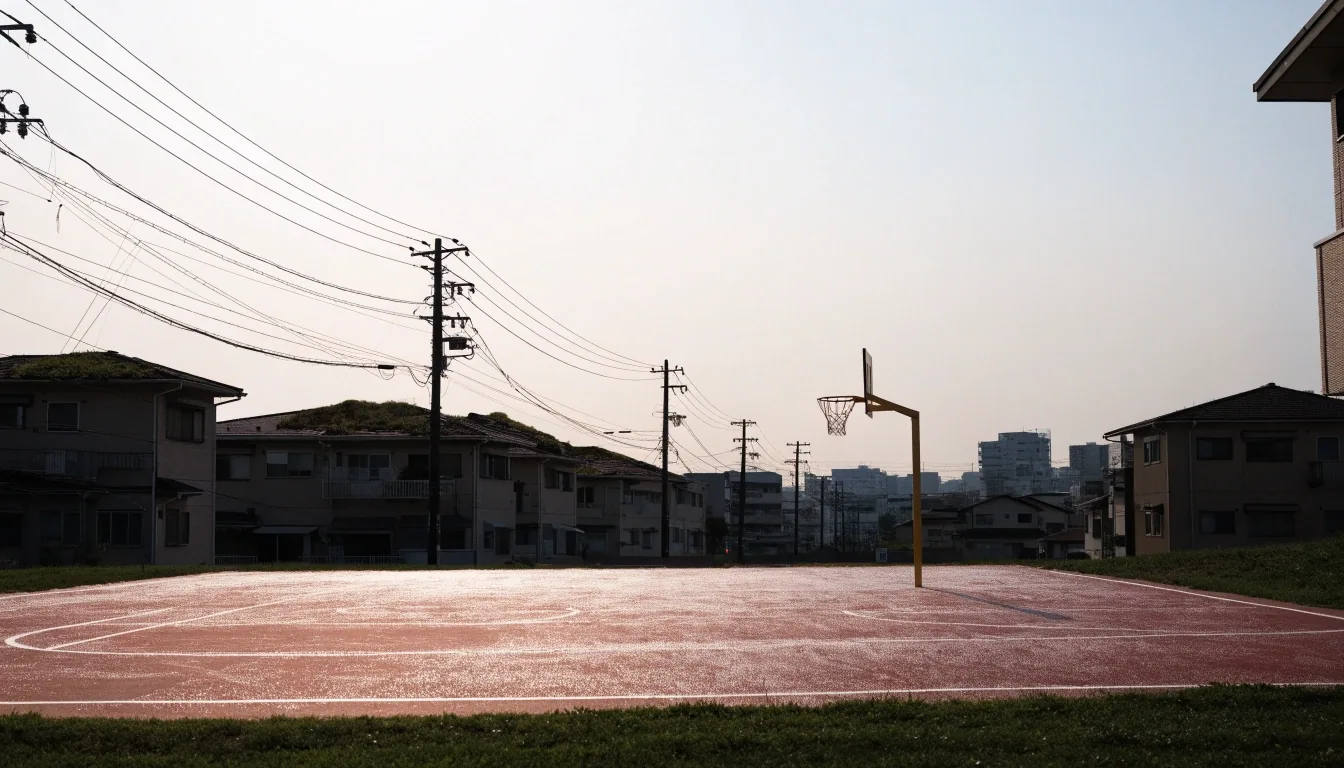
Two ways in: a league review tells you how a division is actually running, and a fixtures page tells you what's on this month. Both lead back to the same question — who is playing, and under whose rules.
Hoops Kansai Kansai — 1-8-14 Minamisenba, Chuo-ku, Osaka 542-0081, Japan. Editorial desk open Monday to Friday, 9:00 AM – 6:00 PM JST. Fixture tips and corrections: Contact the Editorial Desk.